Silver Supply Crisis: 6th Straight Deficit, Record Prices, And Miners Still Struggling To Produce

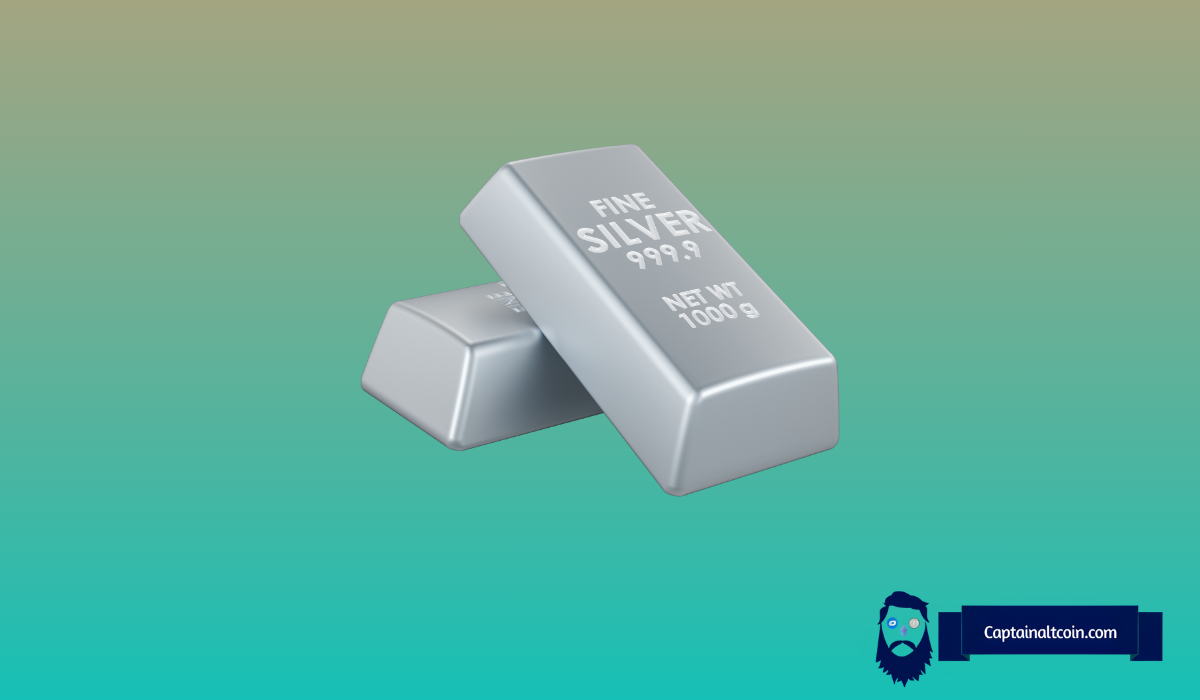
Tight supply conditions in the silver market are drawing fresh attention after new data pointed to a sixth consecutive yearly deficit, and the situation looks more complicated than rising prices alone can fix. Industrial demand keeps climbing, global reserves keep shrinking, and miners are finding it difficult to keep pace even with silver trading near record levels.
Insights shared by Wall Street Mav paint a clear picture of a market under pressure. Global silver reserves stored in vaults have dropped by 762 million ounces since 2021. That decline comes at a time when demand has expanded across several critical industries.
Solar panel production continues to consume large volumes of silver, and the same trend appears in electronics, semiconductor manufacturing, and electric vehicles. Each of these sectors relies on silver for its conductivity and durability, which makes substitution difficult. That dynamic creates a steady demand floor that does not ease when prices move higher.
Another important development involves large corporations moving closer to the source. Wall Street Mav explained that companies such as Samsung have started working directly with mining firms to secure supply agreements. This move signals concern about future availability and shows how tight the market has become.
The global silver market is expected to remain in a deficit for a sixth consecutive year.
— Wall Street Mav (@WallStreetMav) April 17, 2026
Since 2021, global reserves of silver in vaults has declined by 762 million oz. Industrial demand has grown for solar panels, electronics, chips, EVs and many other products.
Companies… pic.twitter.com/rPkLXxDEjB
Silver Mining Production Struggles Despite Record Silver Price Levels
Higher prices often encourage increased production, yet the silver market is not following that pattern. Wall Street Mav noted that global silver mine output is expected to decline by about 2%, even as prices remain elevated.
That disconnect reveals structural challenges in the mining sector. Many existing mines face declining ore grades, and new projects take years to develop. Costs also continue to rise, which limits how quickly companies can scale operations.
Wall Street Mav pointed to specific mining companies that may stand out under these conditions. Aya and Silver X were mentioned as examples of firms that combine profitability with the potential to increase output over time.
Aya’s current production sits near 6 million ounces at its Zgounder mine, yet its longer-term growth story centers on the Boumadine project. That project could deliver around 37 million ounces of silver equivalent starting in 2029, which creates a path for revenue expansion even if silver prices remain stable.
Silver Price Outlook Points To Tight Supply Supporting Future Gains
The ongoing supply deficit raises an important question about where the silver price could move next. Wall Street Mav emphasized that demand continues to rise across multiple sectors, and supply trends are moving in the opposite direction.
Read Also: Bitcoin (BTC) Rejected At $78,000 Again; Top Analyst Says a Bigger Drop Could Follow
Historical patterns show that sustained deficits often lead to upward pressure on prices over time. Industrial demand tends to remain stable during economic cycles, which means the market does not easily correct through reduced consumption. Supply, on the other hand, requires long lead times to respond, which creates a lag that can keep the market tight for extended periods.
Two possible scenarios now stand out. Continued deficits could push silver prices higher as buyers compete for limited supply. A different outcome could emerge if economic conditions weaken enough to slow industrial demand, although current trends do not point strongly in that direction.
Subscribe to our YouTube channel for daily crypto updates, market insights, and expert analysis.