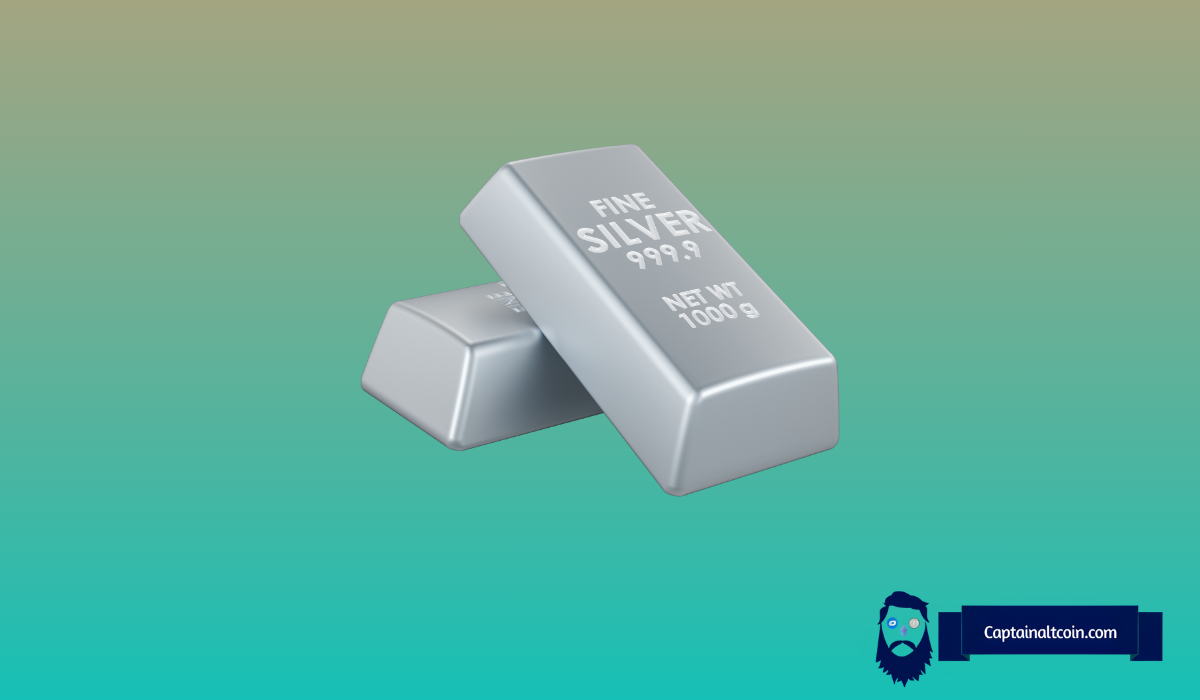
The Silver price just took a hard hit, and the drop has many traders calling it a full crash. But one lesser-known analyst, Ted Darret, shared an interesting take that points to something else happening under the surface.
His argument is that if this were a real liquidation collapse, open interest would have fallen sharply alongside price.
Instead, the silver price dumped hard, but open interest only dropped around 20%. That means most long positions are still sitting there, underwater, but not exiting.
That detail matters, because it changes the story from “everyone bailed” to “the battle isn’t over yet.”
Silver price crash ? No its a Bear Trapped
— Ted Darret (@TDarret) February 18, 2026
In a normal liquidation event (a true crash), Price drops 50% and Open Interest (OI) also drops 50% because the Longs have fled the building. The fact that Price collapsed but OI only dropped 20% means 80% of the Long positions are… pic.twitter.com/Xau8ZpUdO1
What you'll learn 👉
Silver Price Fell, But Longs Didn’t Leave
Darret explains that in a true washout, longs usually panic out of the market. Open interest falls because positions get closed and the trade resets.
This time, open interest stayed high. In his view, that suggests the selling pressure wasn’t mostly longs giving up. It was new shorts piling in near the lows, expecting one more leg down.
That creates a risky setup for those late shorts. If the Silver price can’t fall much further, their upside is limited. But if silver bounces even slightly, their downside grows fast.
However, Darret describes the current phase as a “game of chicken.” In the short term, the silver price may drift sideways or grind slightly lower as the market tries to wear down stubborn longs. The key thing to watch is open interest.
If price stalls but open interest climbs, it means shorts are still adding fuel. If open interest starts falling instead, it could mean longs are finally giving up. This is the tension point where a bear trap often forms.
A Small Bounce Could Trigger a Fast Reversal For Silver
The bigger risk for shorts is that it doesn’t take much to flip the move.
A weak economic headline, a surprise geopolitical event, or even a technical rebound could push silver up a few percent. Once that happens, shorts who entered late start getting squeezed.
Covering turns into forced buying, and forced buying can turn into a sharp snap-back rally that looks like it came “out of nowhere.” That’s how V-shaped recoveries happen.
Read Also: Hedera (HBAR) Just Entered Its Final Fear Phase: History Says Massive Spike Could Follow
Why Open Interest Makes This Setup Different
Darret also points out the pressure building from margin requirements.
Big drops raise volatility, and exchanges often increase margin demands. Longs have to keep posting collateral to stay in the trade.
If they survive without folding, the downside pressure weakens. Shorts then become the ones trapped, not the bulls.
Silver Price Outlook: Bear Trap or Breakdown?
Darret’s view is that silver may still see short-term flushing around the $73–$74 zone, but the bigger move could be a rebound back toward $85 or higher if shorts start covering.
Nothing is guaranteed, but the open interest data makes this drop look less like a clean capitulation and more like a market stuck in a tense positioning fight.
The Silver price may not be done yet, and the next move could surprise traders on both sides.
Subscribe to our YouTube channel for daily crypto updates, market insights, and expert analysis.