Why Silver Price Just Had a Historic Crash: Paper Shorts Crushed the Market in a Coordinated Hit

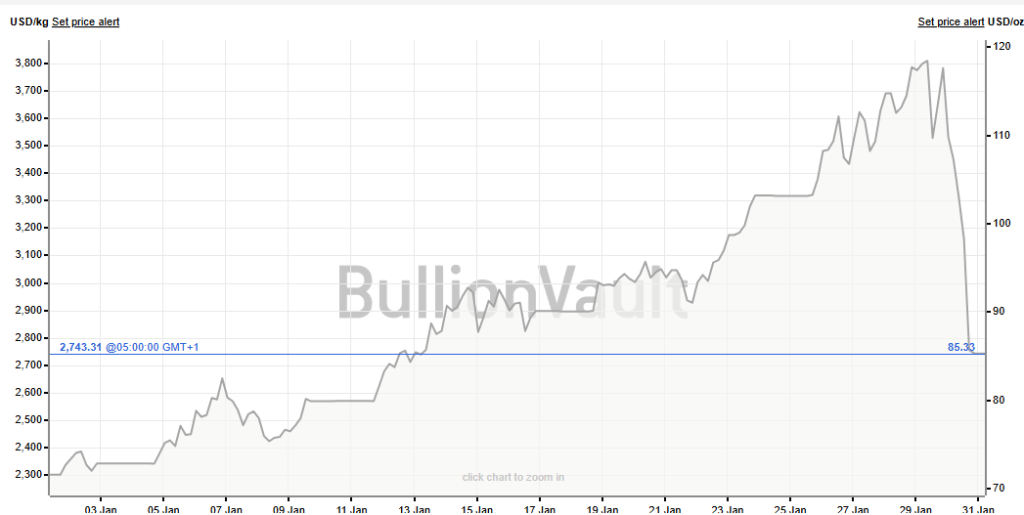
The violent drop in silver prices caught many traders surprised, but analyst Doctor Profit says the move had very little to do with real selling pressure, and everything to do with the paper market.
In a detailed breakdown shared on X, Doctor Profit argued that the sharp decline was driven by extremely large short positions entering the futures market at once. These paper positions pushed prices lower in a very short time, creating the appearance of panic selling. But when he looked deeper into the data, especially futures volume, the story changed.
According to his analysis, this was not a wave of investors dumping physical silver. Instead, it was a deliberate paper-driven move designed to force prices down so short sellers could exit their positions at better levels.
What you'll learn 👉
No Physical Silver Was Sold
One of the most important points in Doctor Profit’s assessment comes from the Shanghai market. During the selloff, there were no meaningful physical silver withdrawals. In simple terms, no real metal left the vaults even as prices collapsed.
What did change hands was non-physical silver. Around 531 tonnes worth of silver contracts were traded in Shanghai, indicating that futures positions were being closed and transferred. Shorts used the sudden drop to buy back contracts, while new buyers stepped in on the other side of the trade.
This matters because it shows the move was confined to derivatives. Physical supply remained untouched, which removes the usual bearish argument that sellers are rushing to offload real metal.
#SILVER – WHAT HAPPENED TODAY?
— Doctor Profit 🇨🇭 (@DrProfitCrypto) January 31, 2026
The reason for the sharp fall was nothing more than extreme sized short positions that entered the futures market, pressuring the price down sharply. Coming to this conclusion is pretty simple by watching the futures volume, but to verify further…
How the Shakeout Played Out
Doctor Profit described the structure of the move in four clear steps:
- Heavy paper shorts hit the market and forced prices lower
- Shorts used the decline to exit their positions
- Buyers absorbed the selling pressure at discounted prices
- No confirmed physical liquidation took place
That sequence points to a controlled shakeout rather than a genuine collapse in demand.
A Familiar End-of-Month Pattern
Timing is another key detail. Doctor Profit noted that similar silver drops have occurred repeatedly near month-end. He highlighted December 31 as a recent example, when silver fell roughly 15% in a single day before continuing higher soon after.
On those same days, banks received unusually large amounts of short-term dollar liquidity. These institutions are also active participants in the silver futures market. The link between end-of-month balance sheet needs and aggressive paper selling is, in his view, difficult to ignore.
Even though futures prices plunged, physical silver pricing stayed firm. The U.S. market closed near $84, while Shanghai finished around $122; a huge gap of roughly 44%. In recent weeks, physical silver has reportedly traded between $120 and $130, with some regions seeing prices near $150 and widespread shortages at dealers.
Doctor Profit’s argument is simple: if physical demand remains strong and supply is tight, there is little incentive for dealers to lower prices just because paper markets were shaken.
Read also: Robert Kiyosaki Admits Regret Over Bitcoin and Gold as Silver Becomes His Safety Net
Subscribe to our YouTube channel for daily crypto updates, market insights, and expert analysis.